
Why New Construction Lawns Struggle in Covington & Monroe
March 24, 2026
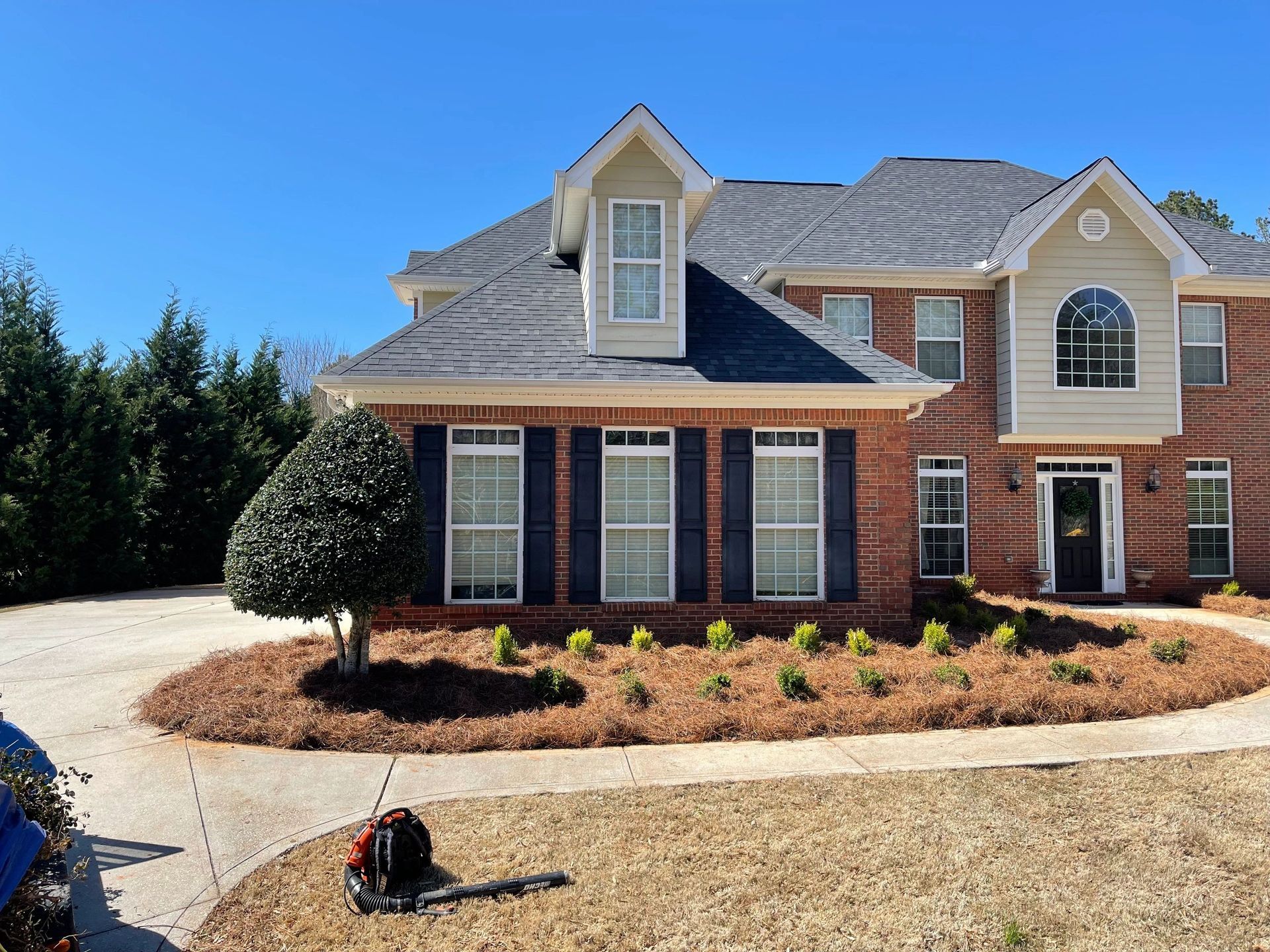
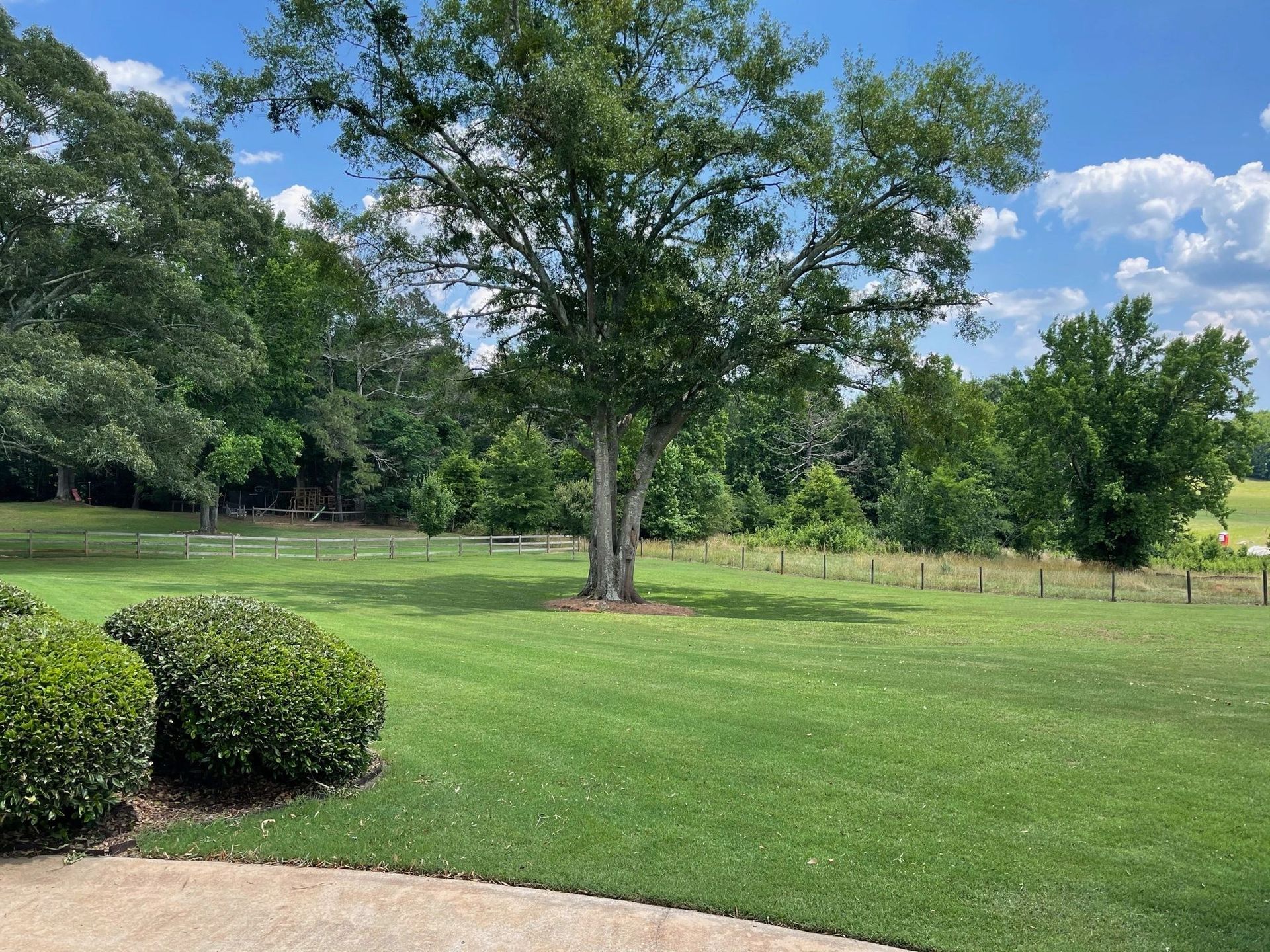
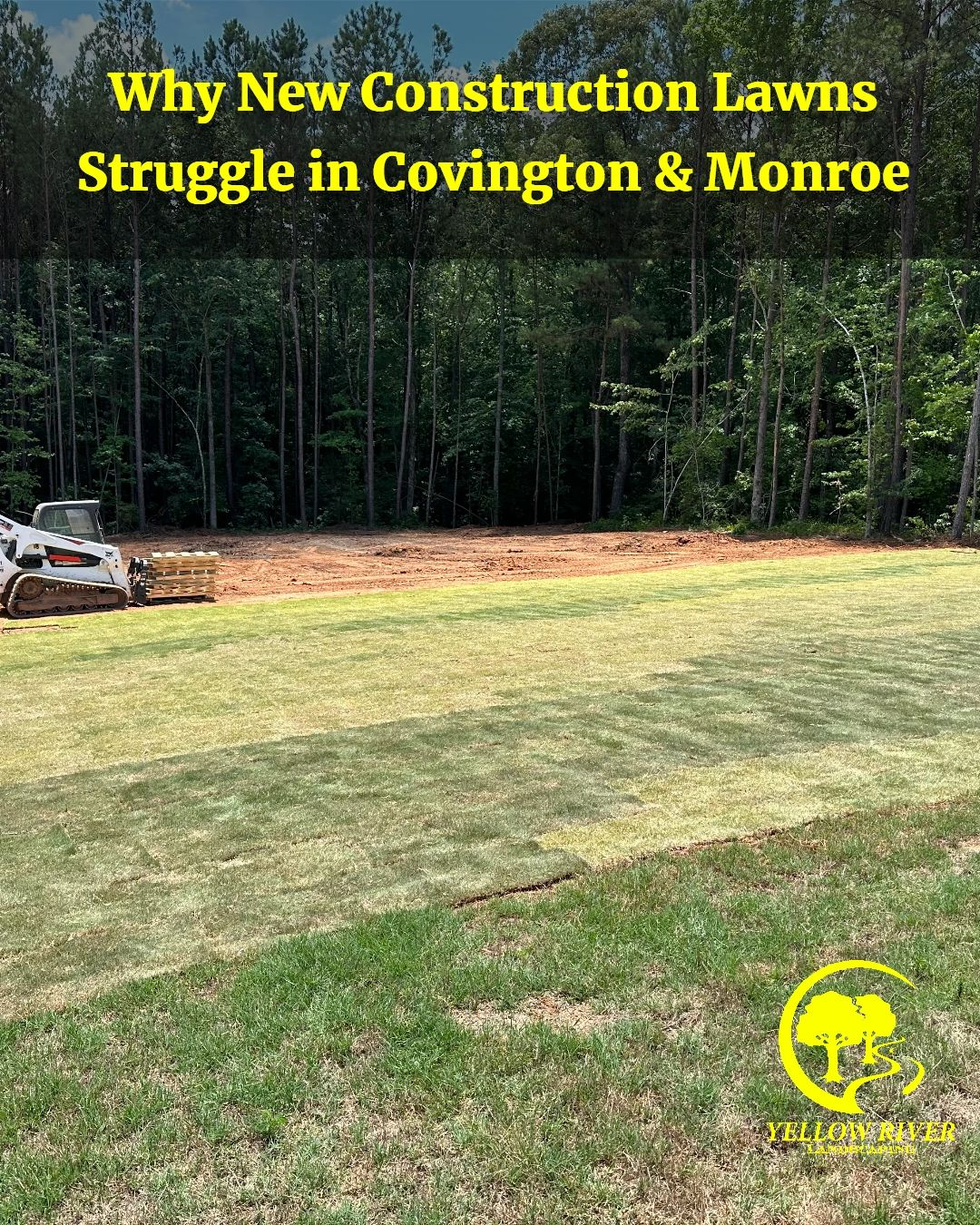
Sod at new construction.
Introduction
Many homeowners in Covington and Monroe move into newly built homes expecting a beautiful lawn, only to find that their grass struggles to grow.
Thin turf, patchy areas, and poor drainage are common problems in new construction neighborhoods throughout central Georgia.
In most cases, the issue isn’t the grass itself. Instead, the problem comes from soil conditions created during the home construction process.
Understanding these factors can help homeowners identify why their lawn may be struggling and what steps can improve its long-term health.
Compacted Soil From Construction Equipment
During the home building process, heavy construction equipment moves repeatedly across the yard. This compresses the soil and creates what turf specialists call compacted soil.
Compacted soil restricts air, water, and nutrient movement through the ground.
Because grass roots cannot easily grow in compacted soil, lawns may remain thin or weak even after sod is installed.
Minimal Topsoil
Another common issue in new construction lawns is the lack of topsoil.
Healthy turfgrass grows best in soil that contains organic matter and nutrients. However, many builder-installed lawns are placed directly on clay-heavy subsoil.
Without quality topsoil, grass roots struggle to establish and absorb nutrients.
Poor Yard Grading
Proper grading is important for directing water away from the home and across the property.
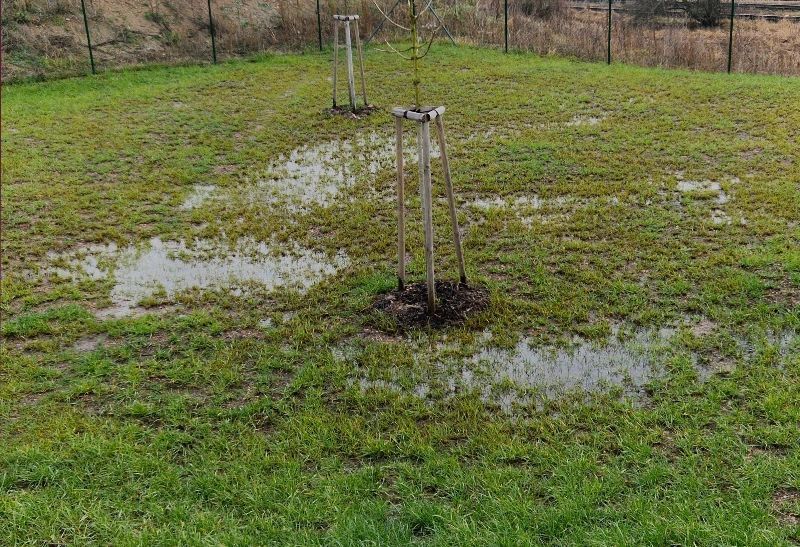
If grading is uneven, water may collect in low spots throughout the yard. These areas can stay overly wet and make it difficult for grass to grow.
In other situations, poor grading can cause water to run off too quickly, preventing the soil from retaining enough moisture.
Construction Debris in the Soil
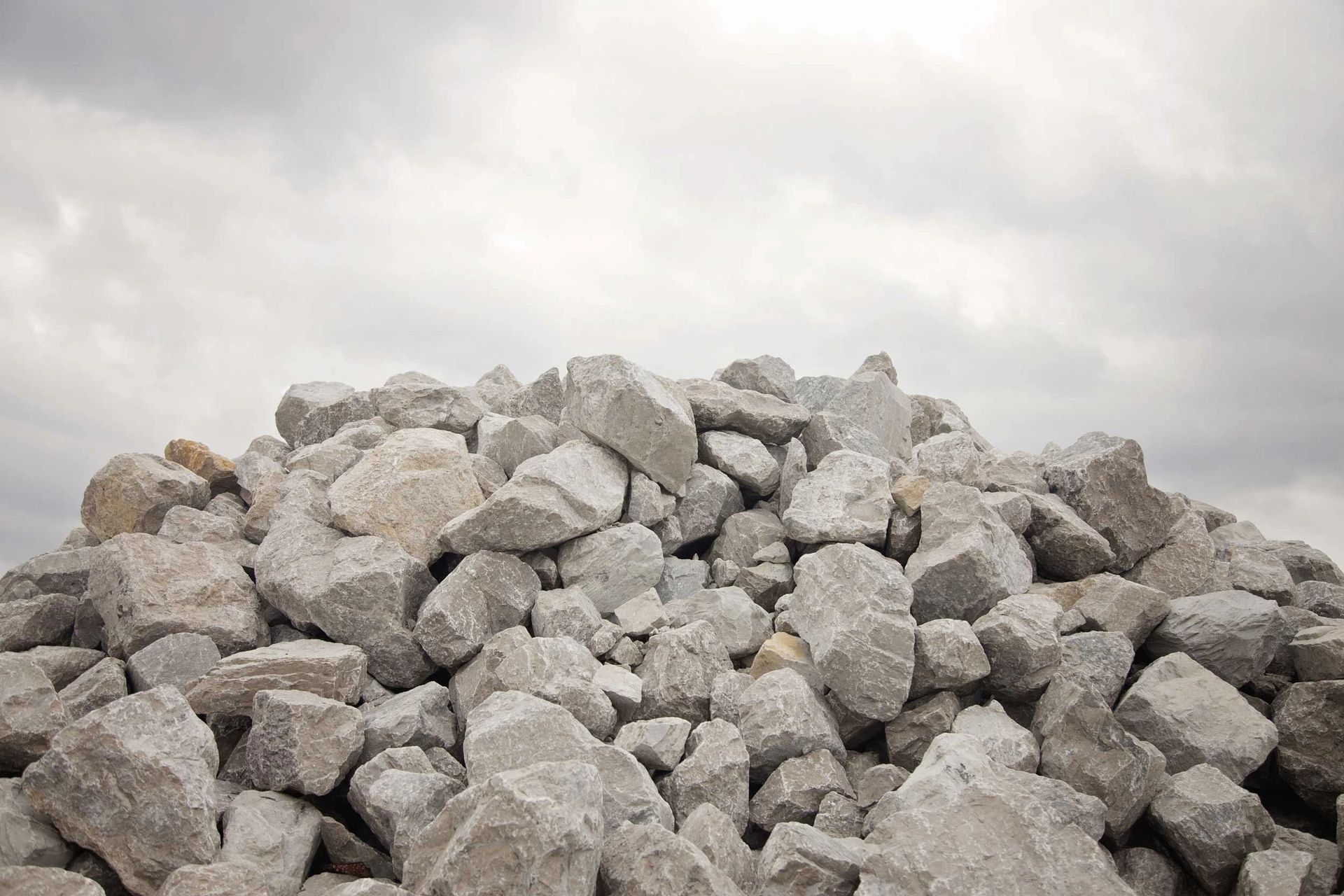
During construction, it is common for leftover debris to be buried in the yard. Rocks, wood pieces, and building materials can interfere with soil structure and root growth.
These obstacles can make it difficult for grass roots to spread evenly throughout the lawn.
Why Soil Preparation Matters
Healthy lawns begin with proper soil preparation.
Loosening compacted soil, improving grading, and adding quality topsoil can dramatically improve the ability of turfgrass to establish strong roots.
When these factors are addressed, lawns often become thicker and healthier over time.
Conclusion
New construction lawns in Covington and Monroe often struggle because of soil conditions created during the building process.
Compacted soil, poor grading, and limited topsoil are common issues that affect turf growth.
Understanding these factors can help homeowners identify why their lawn may not be thriving and what improvements may be needed to create a healthier landscape.