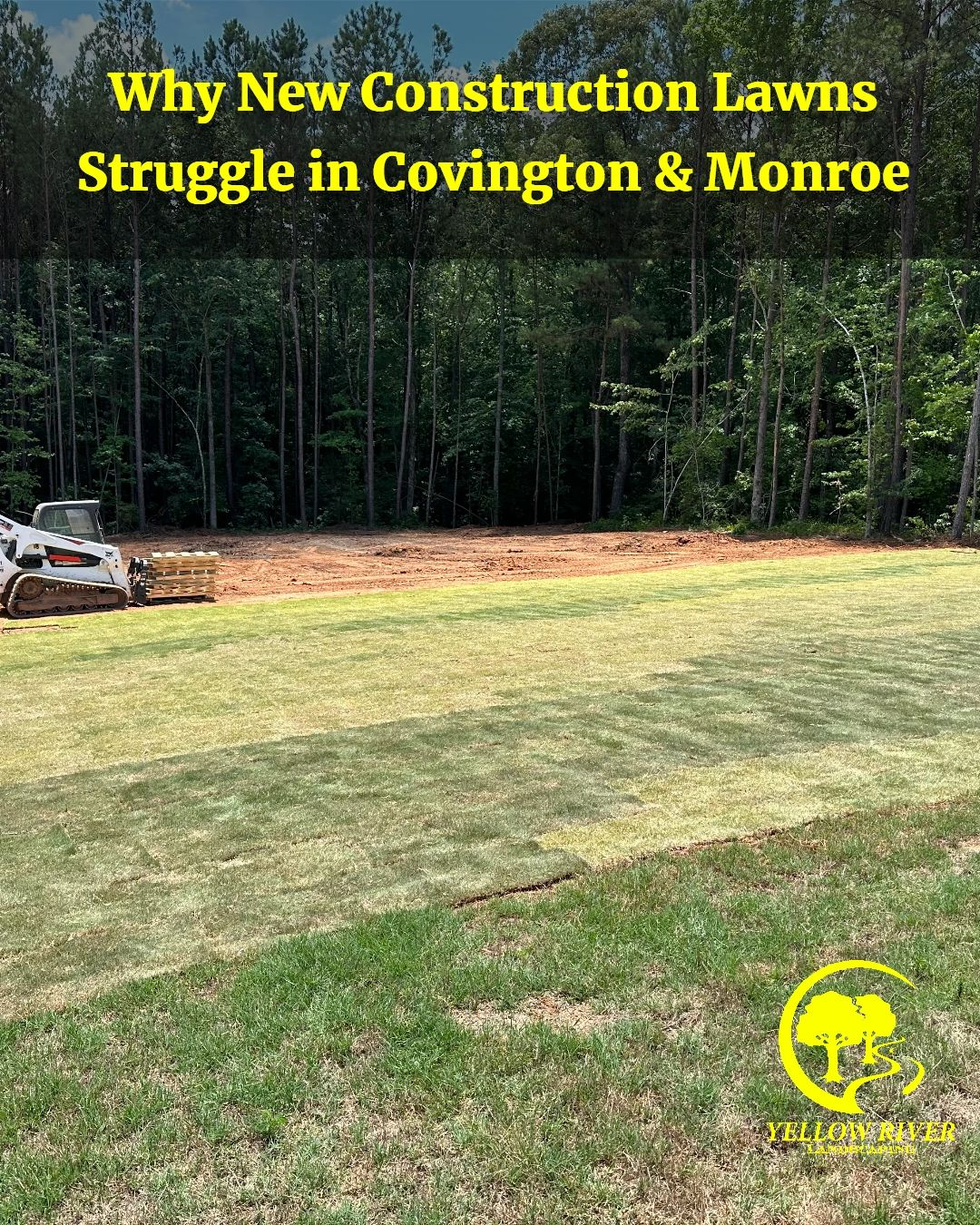
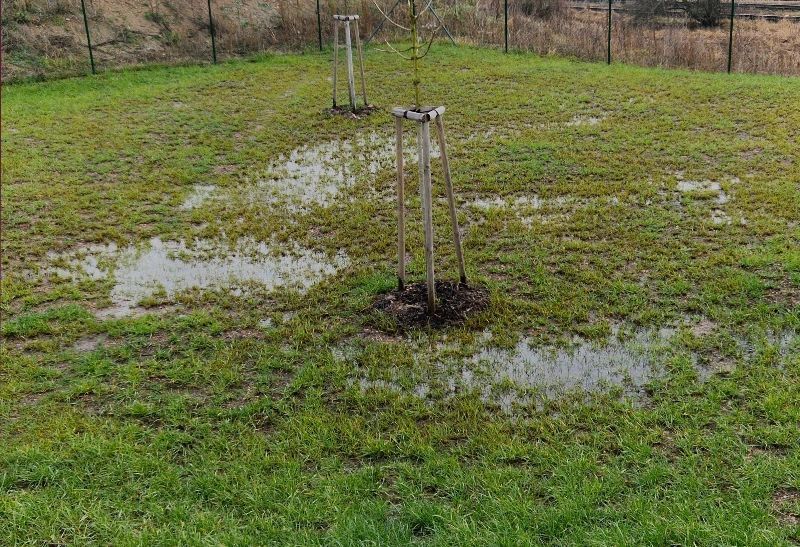
This Image above is an example of bad drainage.
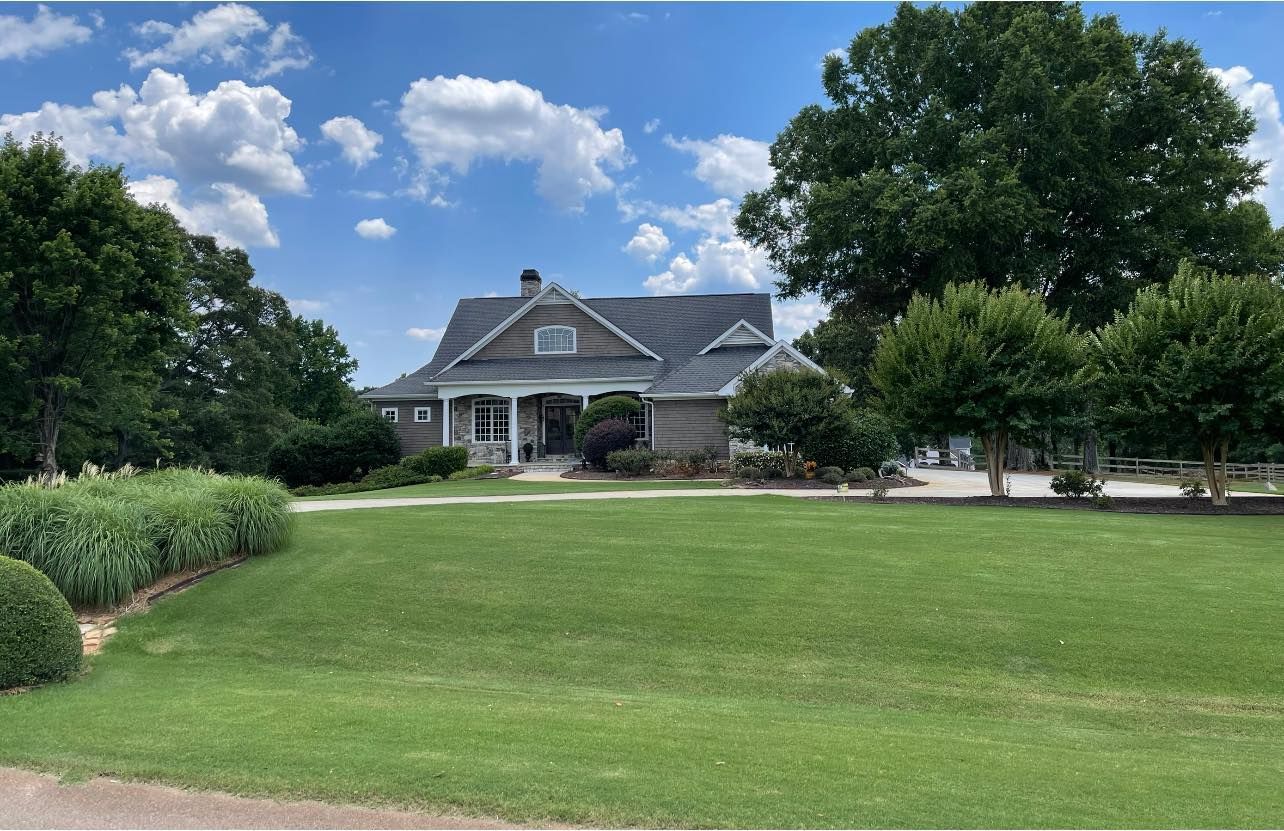
Summer in Covington, GA, often brings beautiful sunny days, perfect for outdoor activities. However, the heat can also lead to dry spells that pose a significant threat to your lawn. Whether you have Bermuda, Zoysia, Cen...
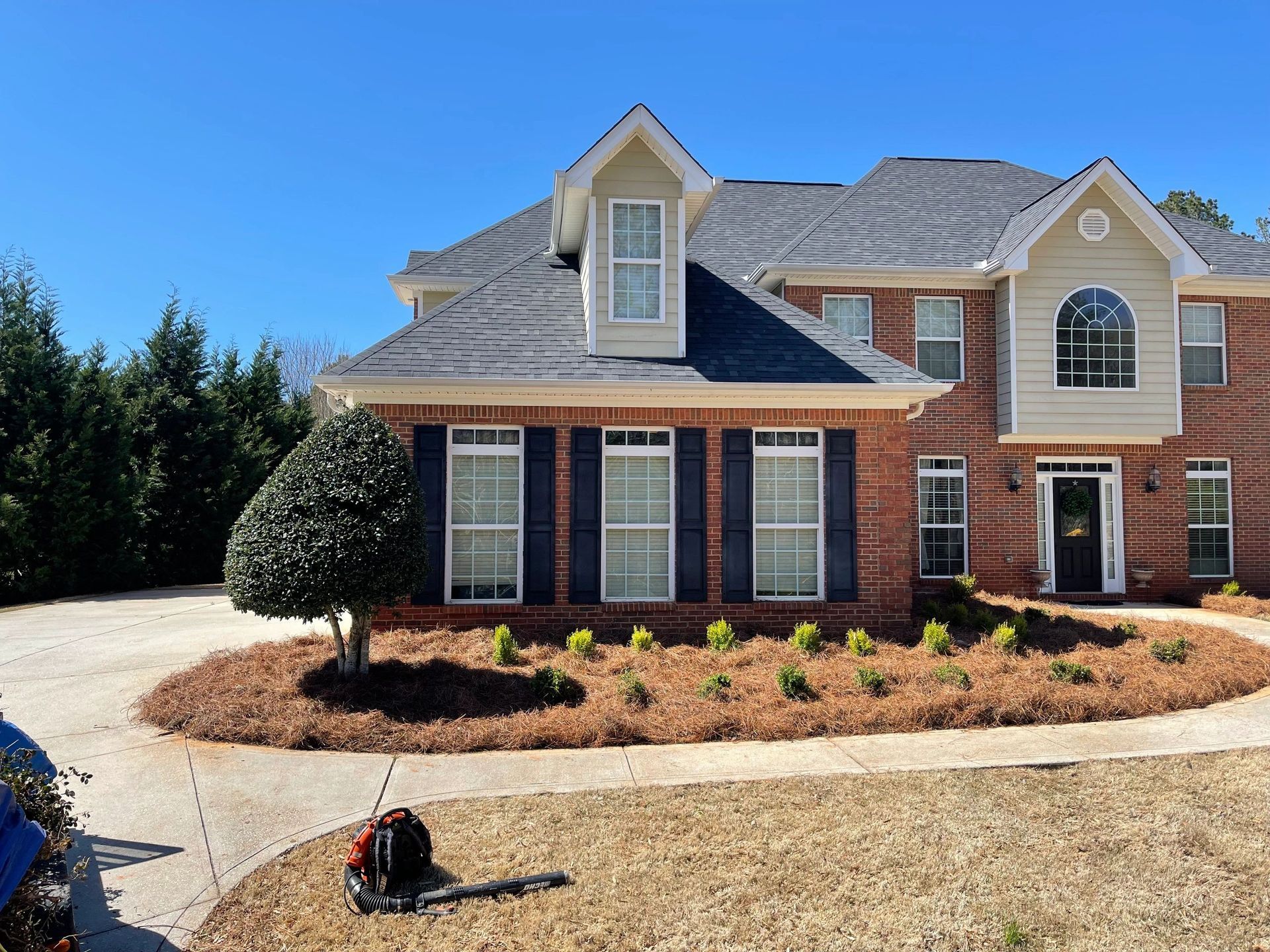
Springtime Renewal: Why it's Prime Time for Plant Installation and Landscape Tear-Out with Yellow River Landscaping
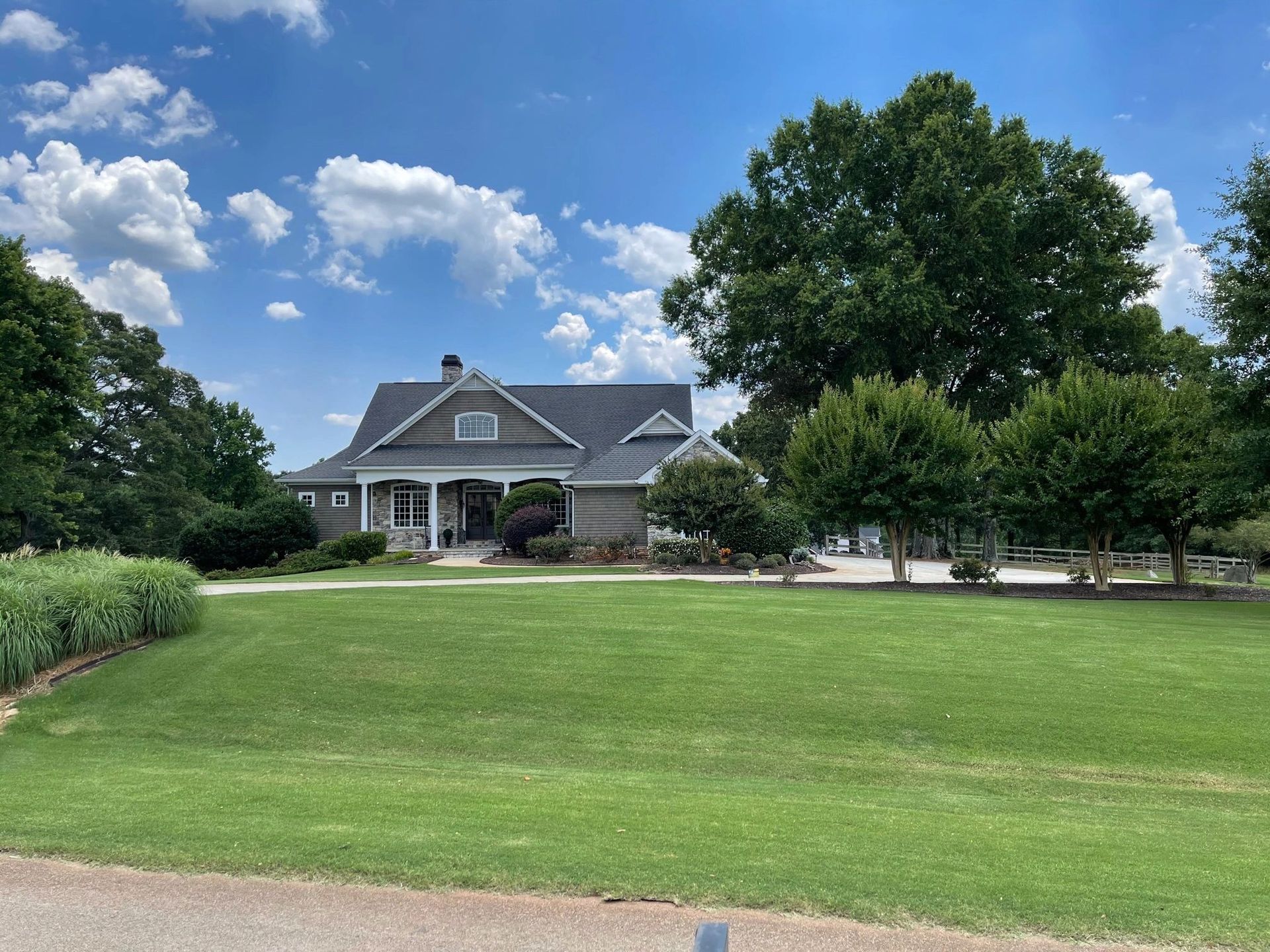
Expert Tips for Cutting Grass in Georgia: A Guide from Yellow River Landscaping
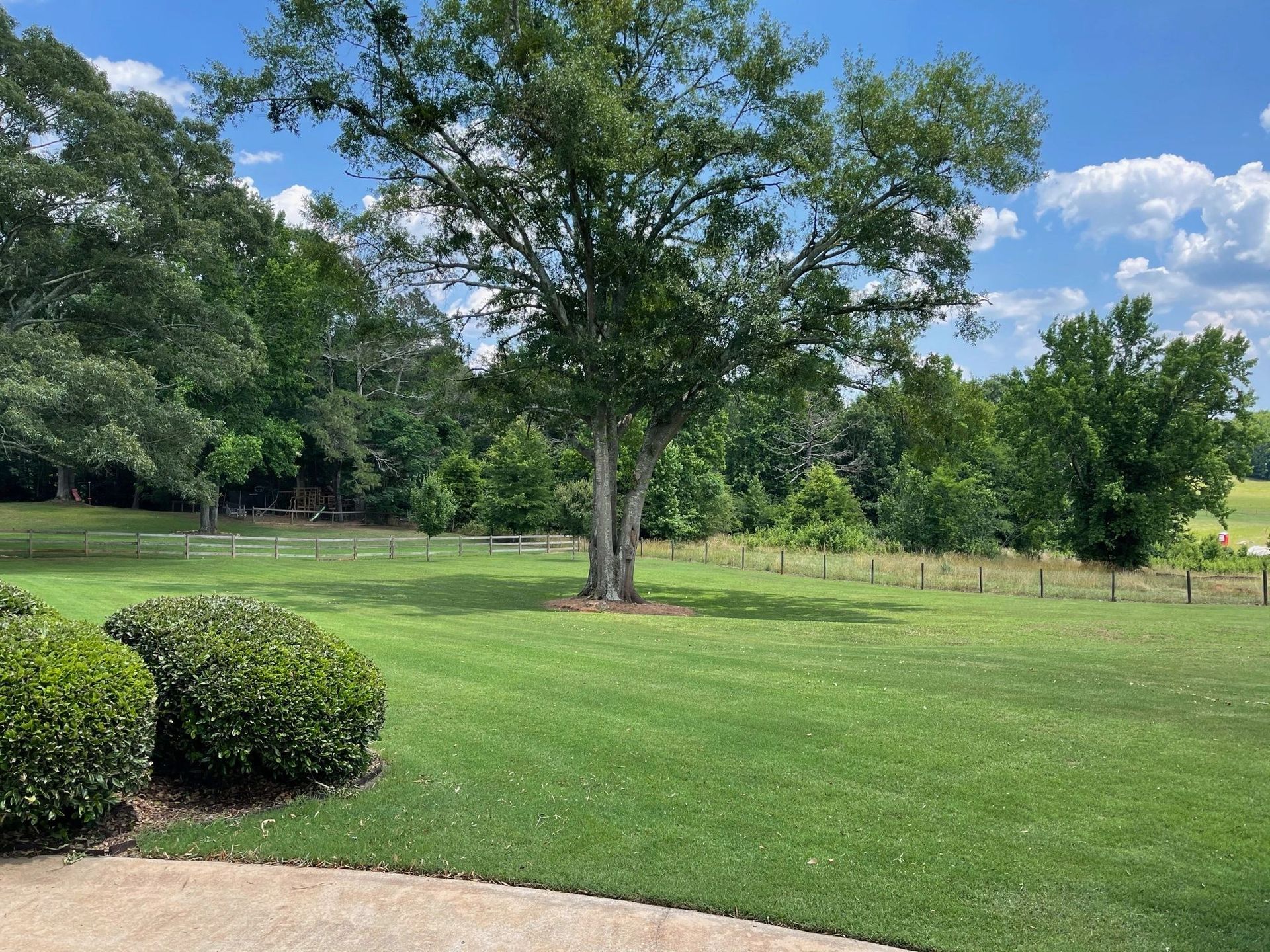
Title: Top 5 Reasons to Hire a Professional Company for Property Maintenance in Covington, GA
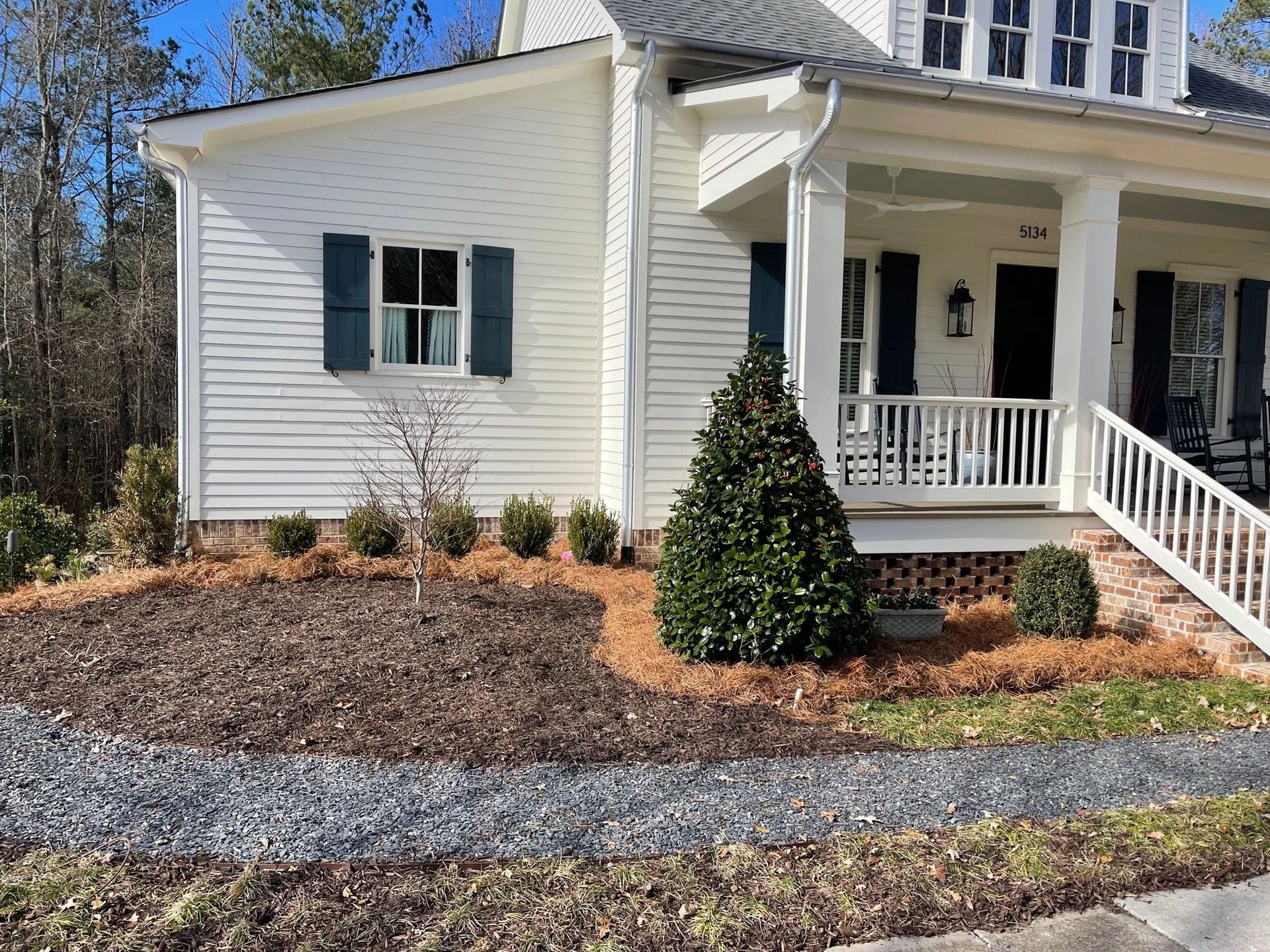
5 Reasons you need mulch or pine straw in Covington, Ga
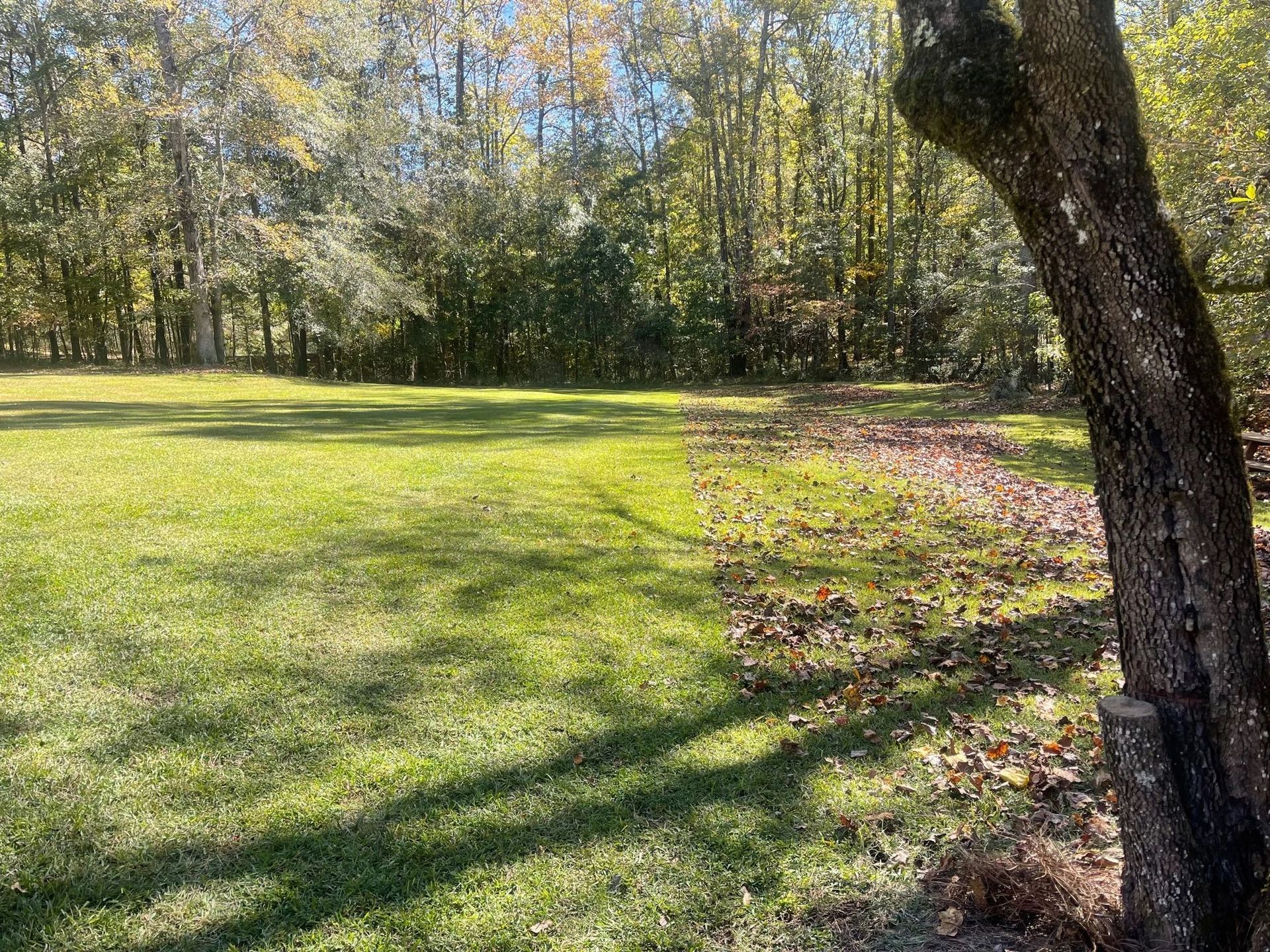
Embrace the Beauty of Spring Cleanups with Yellow River Landscaping
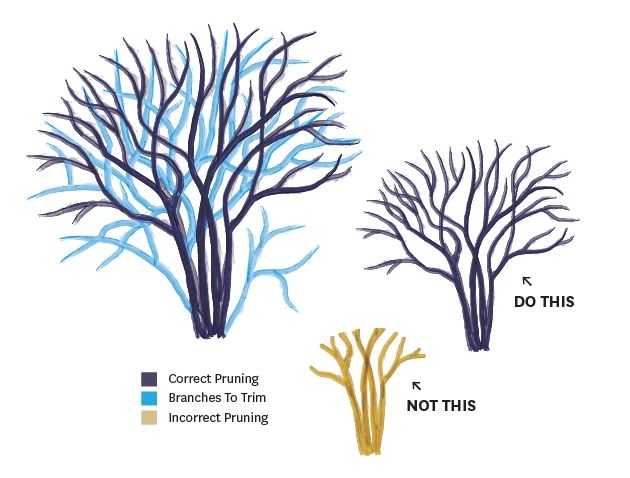
As we eagerly welcome the arrival of spring in the beautiful state of Georgia, it's time to dive into the essential practice of seasonal trimming and pruning. At Yellow River Landscaping, we understand the pivotal role t...
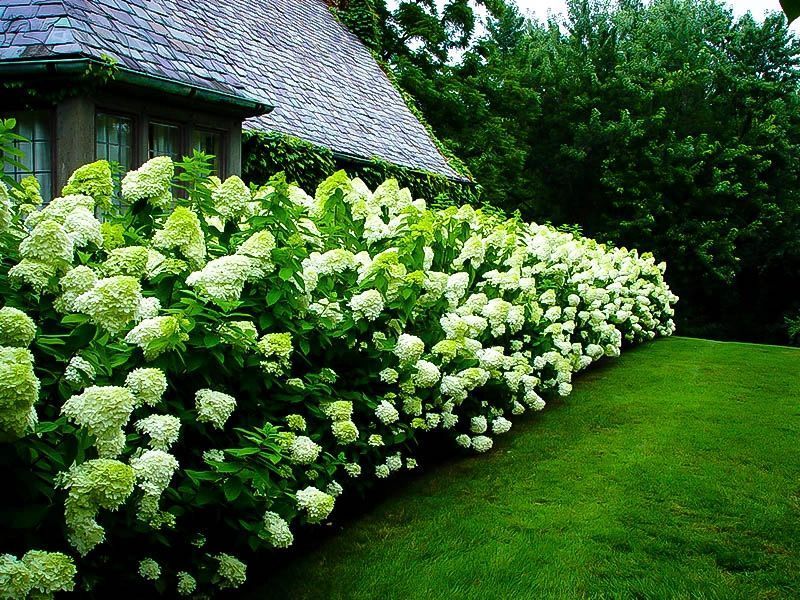
Limelight hydrangeas are a popular and visually stunning choice for gardens and landscapes. Their unique bulb-shaped blooms and remarkable color transformation make them a favorite among garden enthusiasts. In this artic...
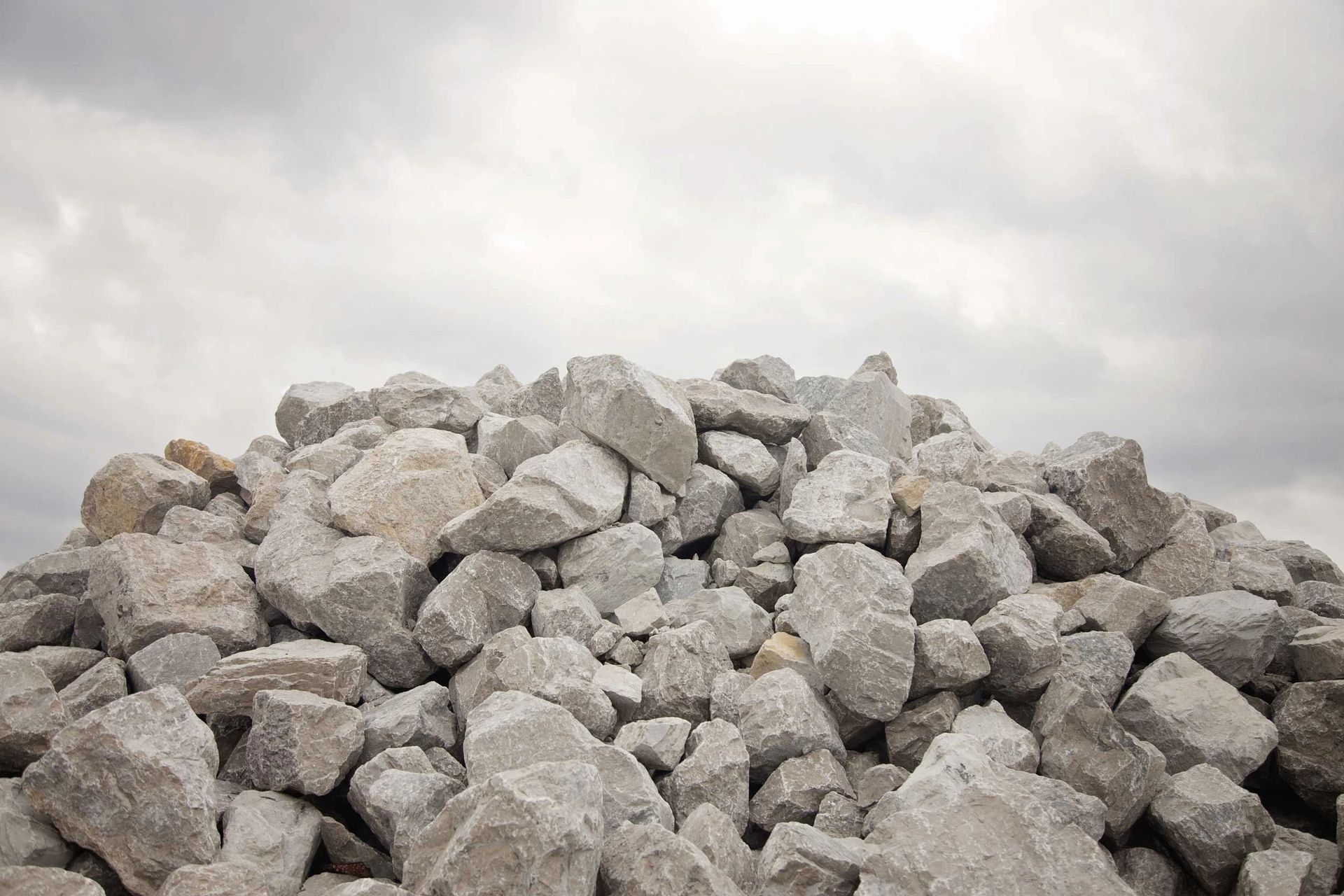
What is Rip Rap Stone?
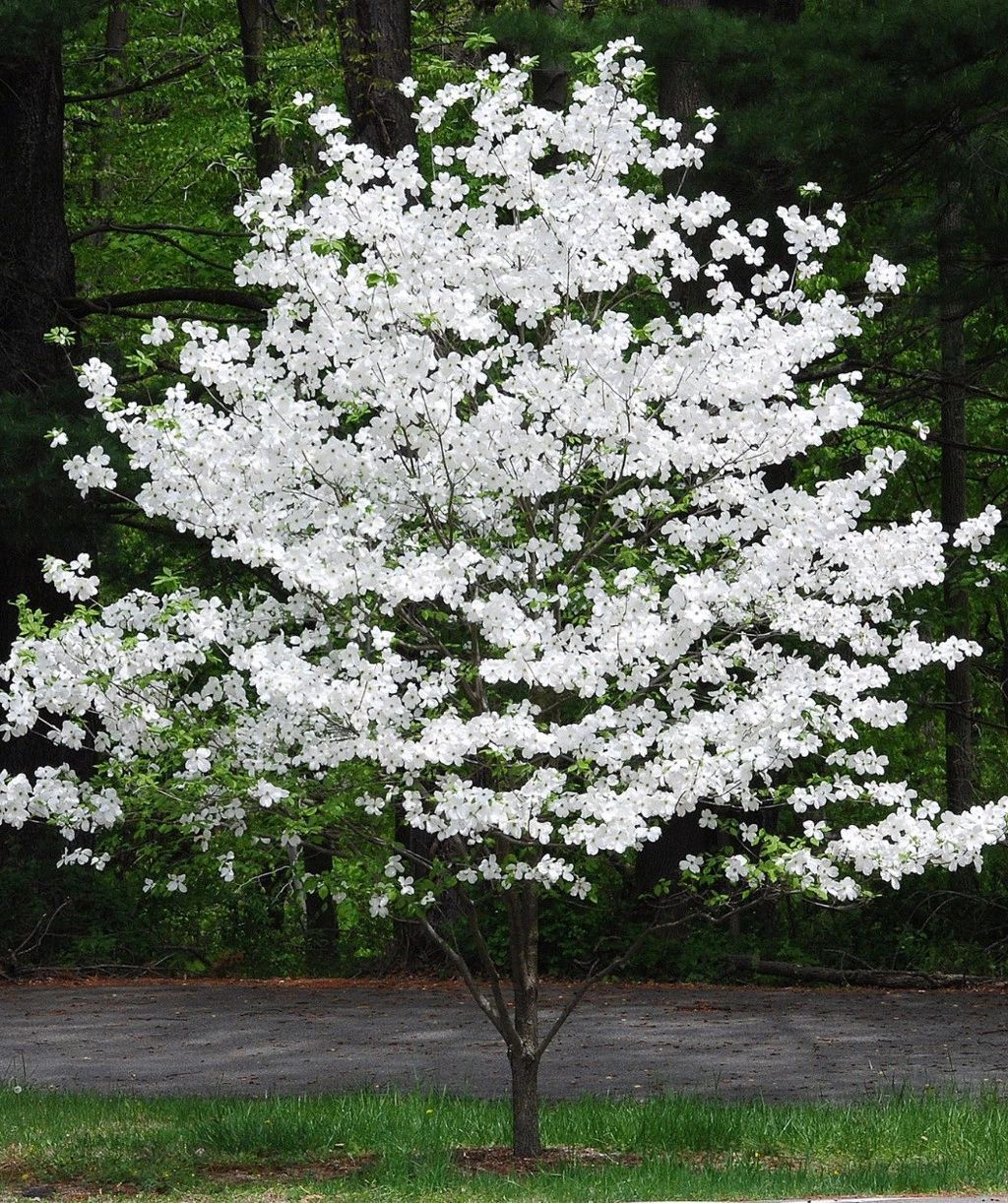
Dogwood trees are renowned for their vibrant blooms and graceful appearance, making them a delightful addition to any landscape. In Georgia, where the climate and soil conditions are favorable for their growth, dogwoods ...